Why a Solana NFT Wallet Extension Feels Different — and Why That Matters
Whoa! The first time I plugged a Solana wallet into my browser it felt oddly light. It was fast, slick, and a little too simple for my first impression, which made me suspicious. At the same time I liked the speed — transactions just zipped — and that got me curious about how UX shapes trust. Initially I thought speed alone would win users, but then I realized trust, clarity, and good UI patterns matter far more when money and NFTs are involved.
Really? I know, that sounds obvious. But here’s the thing: wallets are simultaneously utility and interface, and people treat them like both a bank and a toy. My instinct said look for safety cues first, though actually, wait—let me rephrase that: check both safety cues and predictable behavior. On one hand a tiny popup can feel convenient; on the other hand the same popup can hide dangerous permissions if you blink. So I started testing extensions across a few browsers, comparing approval flows, permission prompts, and how they show token metadata.
Here’s the thing. I spent a week moving NFTs between addresses, and somethin’ felt off the first time a name didn’t match the token’s image. That mismatch bugs me. It made me stop and trace the metadata source, which led to a habit of verifying mint addresses and creator receipts, not just eyeballing images. I’m biased, but I think many users skip that step and later regret it, especially with phishing sites that mimic marketplace flows very very convincingly.
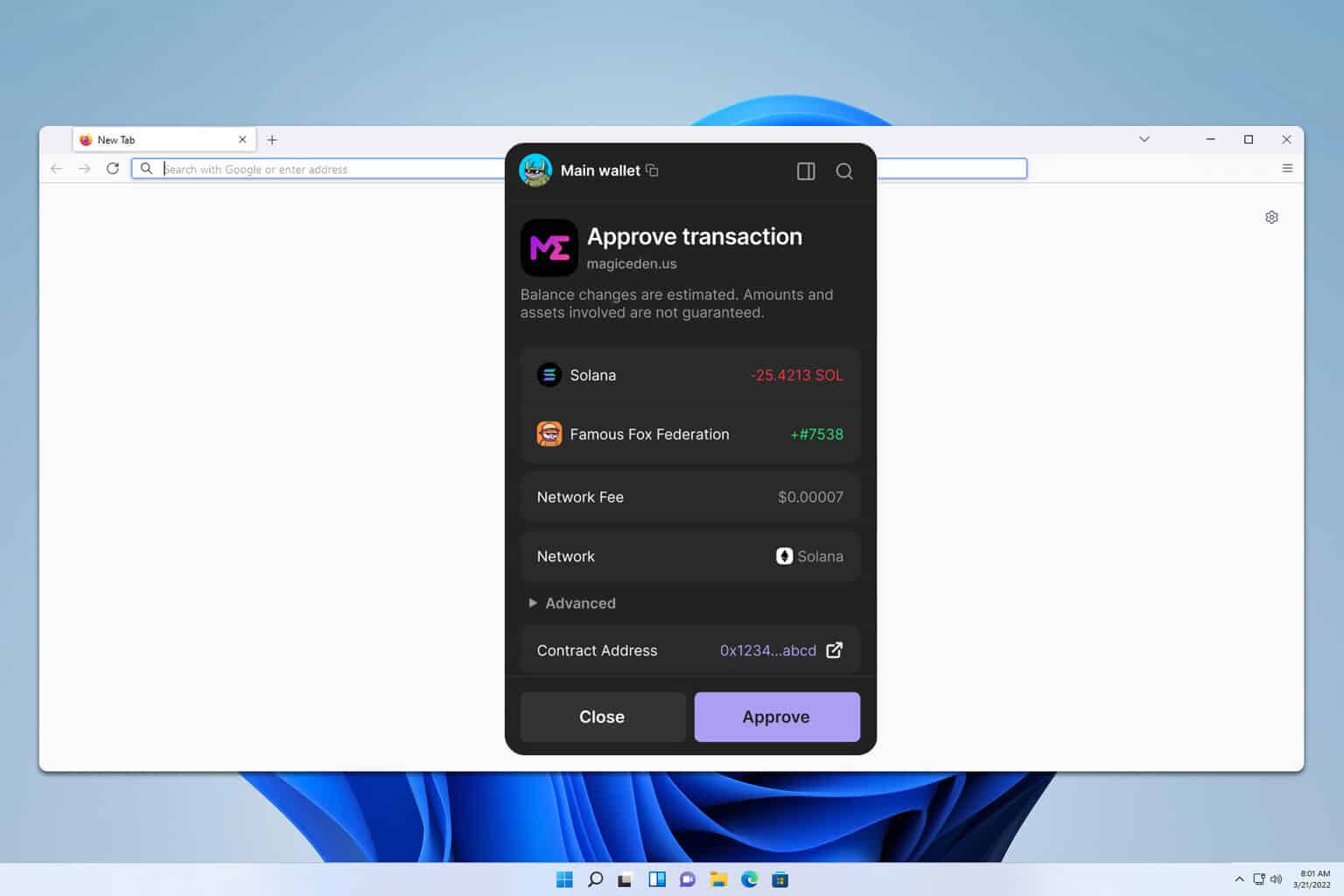
Where to get a browser extension you can inspect carefully
Okay, so check this out—if you want to try a Phantom-style experience and you want to start by inspecting permissions and UI behavior, there’s a download page I referenced while testing: https://sites.google.com/cryptowalletextensionus.com/phantomwalletdownloadextension/. I’m not telling you to blindly click anything, though actually I used that page to compare how different builds present their onboarding screens. On the practical side, look for explicit permission text, origin binding (which dApps are asking), and whether the extension displays full mint addresses on signing prompts. My process was simple: open devtools, watch the request flow, and trace the signature request back to the UI element that triggered it.
Seriously? Yes, because signatures are the core risk vector for NFTs and token approvals. One time I signed something for speed and lost a collectible to a contract that had an infinite approval flag; lesson learned. So step one is to use a wallet that shows granular approvals and to revoke allowances when you don’t need them. It helps to keep a small, frequently used wallet and a separate cold or low-balance address for rare trades — I do that, and it reduces stress when I accidentally approve somethin’ sketchy.
Hmm… I want to unpack a couple UX patterns that matter. Long transaction modal copy that explains why a program needs an allowance is huge for comprehension, and short confirmations that omit context are dangerous because they encourage reflexive clicking. On one hand designers want frictionless UX, though actually friction is protective here, slowing down thoughtless approvals. So balance is the name of the game: clear language, explicit options, and a visible transaction history that users can audit without leaving the extension.
Okay, a few practical tips based on what I did during testing. Keep your seed phrase offline, obviously. Use hardware wallets for high-value NFTs when supported. Check contract source or verified programs on explorers before approving token movement. And if something asks for infinite permissions, pause and investigate — it’s a red flag more often than not. I’m not 100% sure every user will do this, but I’ve seen enough recoveries and regrets to know these habits help.
FAQ
Q: How do I confirm a transaction is safe?
Look at the program address, the exact token mint, and whether the approval is time- or amount-limited; if the modal is vague, don’t sign it — check the source on an explorer.
Q: Can I use one wallet for everything?
Technically yes, but for safety it’s better to separate daily-use wallets from cold storage or hardware-backed accounts.